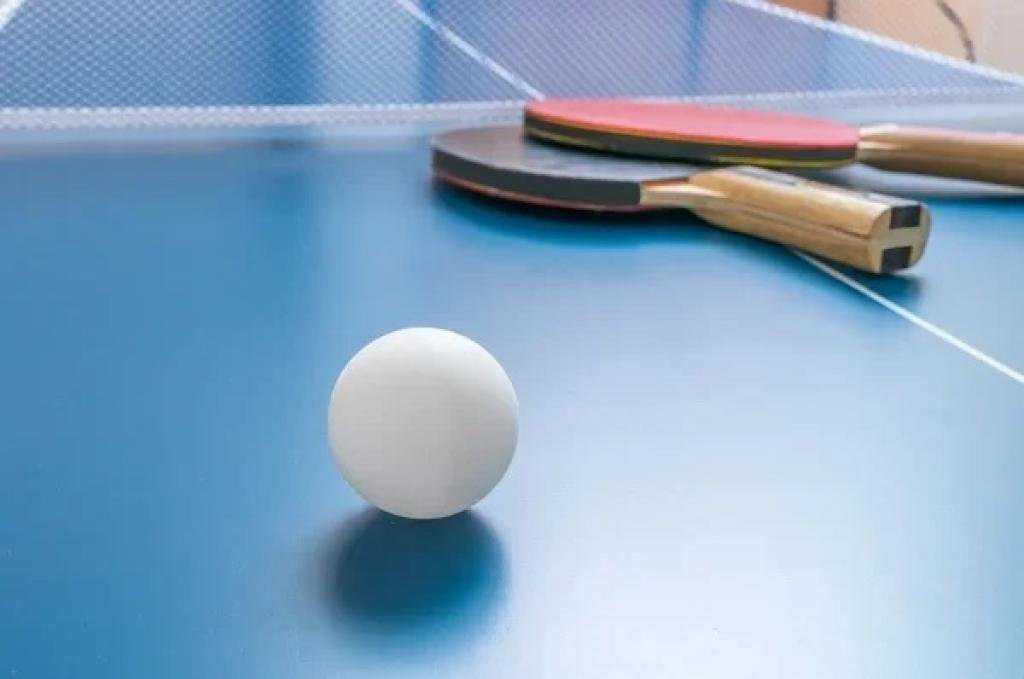
The sport of table tennis, often hailed for its fast-paced intensity and cerebral demands, hinges significantly on one small but mighty component: the ball. The table tennis ball, although diminutive and seemingly simple, is packed with scientific design and precision engineering that collectively influence every match’s outcome. For aficionados and newcomers alike, understanding these nuances enhances both appreciation and skill in the sport. Those with deeper aspirations or in need of equipment may find it advantageous to buy table tennis balls online for convenience and a wider selection.
Evolution of the Table Tennis Ball
Table tennis balls have undergone a remarkable transformation since the sport's inception in the late 19th century. Early balls were made from cork or rubber, often wrapped in fabric. These materials produced balls that were inconsistently shaped and weighted, making professional play challenging and unpredictable.
The introduction of celluloid in the early 20th century revolutionized the sport. Celluloid balls were lightweight, uniformly spherical and allowed for faster, more controlled gameplay. In the 21st century, manufacturers shifted to non-celluloid plastics, mainly due to safety, durability, and environmental concerns. Today, the International Table Tennis Federation (ITTF) enforces strict regulations on ball size, weight and material to ensure uniformity in competitive play worldwide.
Design and Specifications
Modern table tennis balls are typically crafted from acrylonitrile butadiene styrene (ABS), a robust thermoplastic polymer known for its durability and consistent performance. Each ball undergoes rigorous testing for sphericity and bounce, ensuring uniformity across training and competition environments.
According to ITTF regulations, the standard ball has a diameter of 40mm and weighs exactly 2.7 grams. Consistency in bounce is critical: when dropped from a height of 30.5cm, a high-quality ball should rebound 24–26cm. These precise specifications guarantee fair play, allowing athletes to predict ball behaviour and execute advanced techniques with confidence.
The Role of Colour and Markings
Table tennis balls are primarily available in white or orange, chosen based on table colour, lighting and visibility requirements. Optimal contrast ensures that players, referees and audiences can track the ball clearly, a factor particularly important in televised matches.
Balls are also rated with stars, from one to three, indicating quality and performance. Three-star balls meet the highest standards and are approved for international tournaments, offering superior durability, consistent bounce and precise flight characteristics. Selecting the right colour and star rating can enhance training effectiveness and competitive play.
Impact on Gameplay: Spin, Speed, and Control
The ball’s design directly affects gameplay, influencing spin, speed and control. Spherical perfection and balanced weight distribution allow players to generate predictable spin, a crucial factor in manipulating the opponent’s shots. Skilled players can apply topspin, backspin, or sidespin to alter the ball’s trajectory and bounce, creating opportunities for advanced tactics.
Speed is also determined by the ball’s weight and surface friction. A lighter, smoother ball enables faster rallies, demanding quick reflexes and agile footwork. The combination of spin, speed, and bounce control makes mastering the table tennis ball an essential aspect of competitive success.
Training and Equipment Considerations
For players at all levels, the choice of table tennis balls significantly impacts practice quality. Lower-star balls may be sufficient for casual play or beginners, offering cost-effective training but with inconsistent bounce and reduced durability. Serious players and coaches, however, often invest in three-star balls to replicate tournament conditions, ensuring every practice session enhances precision and consistency.
Purchasing balls online or in bulk allows athletes to maintain a steady supply for frequent training sessions. Professionals also become attuned to subtle differences in ball performance, understanding how spin, bounce and speed vary slightly between manufacturers and grades. Selecting high-quality balls can therefore provide a competitive edge and accelerate skill development.
Common Myths and Misconceptions
Several myths surround the table tennis ball. One common misconception is that the ball’s colour affects gameplay. In reality, colour only impacts visibility and does not alter physical performance.
Another misconception involves the resilience of celluloid balls, with some players claiming they offer a softer feel. Modern ABS balls are designed to be more consistent, reliable, and safe, eliminating the variability associated with older celluloid versions. Understanding the science behind contemporary balls helps dispel outdated beliefs and encourages informed equipment choices.
Conclusion
Though small in size, the table tennis ball is a cornerstone of the sport, shaping every serve, rally, and point scored. Its history, precise engineering, and material evolution illustrate a fascinating blend of science and sport. By understanding the nuances of ball design, spin, speed, and quality ratings, players gain a deeper appreciation for table tennis and enhance their competitive abilities. Choosing the right ball, whether for casual practice or high-level tournaments, is an investment in both skill development and enjoyment of this fast-paced, intricate sport.