
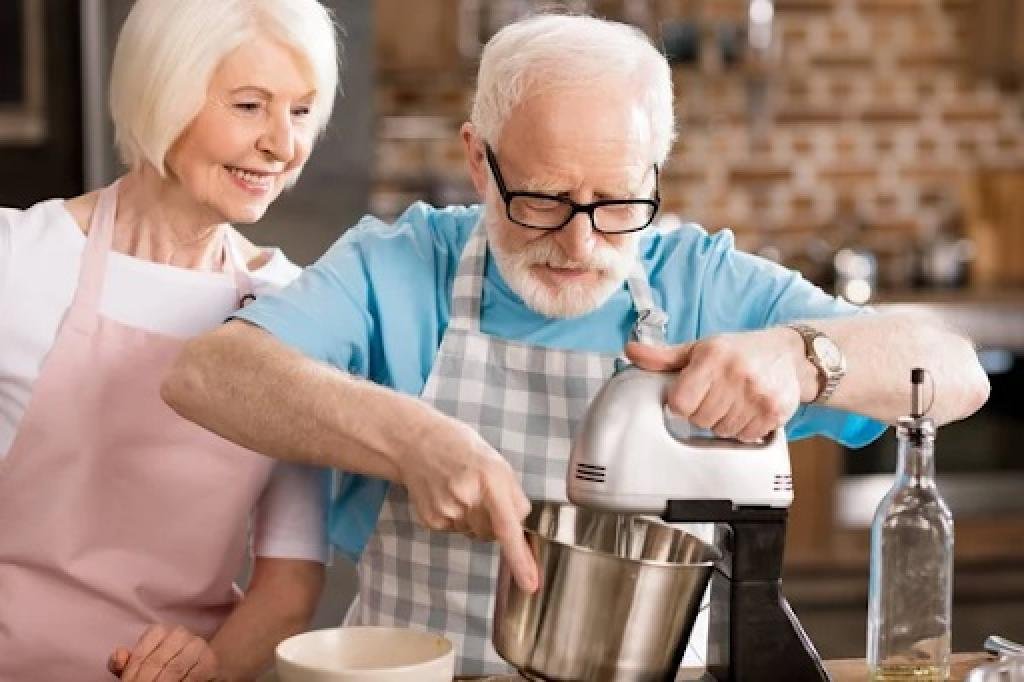
Modern baking technology has transformed the way we create cakes, bread, pastries, and other baked goods. From simple hand tools to advanced kitchen appliances, the journey of innovation has made baking more efficient, precise and accessible. Today’s baking mixer is no longer just a convenience. It is a powerful tool that brings professional-level performance into everyday kitchens while enhancing creativity and consistency.
As home baking continues to grow in popularity, the demand for high-performance stand mixers, smart kitchen appliances, and durable baking equipment has increased. These innovations bridge the gap between traditional baking methods and modern culinary science.
Historical Evolution of Baking Mixers
Baking has deep historical roots, with early civilisations relying on manual tools such as wooden spoons and basic whisks to mix ingredients. These labour-intensive methods required strength, time, and patience. Consistency often depended entirely on the baker’s skill and endurance.
The Industrial Revolution marked a turning point in kitchen technology. Mechanised mixing systems began appearing in commercial bakeries, reducing physical strain and improving production speed. By the early twentieth century, the first electric baking mixers entered domestic kitchens. Built with heavy metal frames and powerful motors, these early stand mixers dramatically reduced manual effort while delivering more uniform results.
This evolution laid the foundation for modern electric mixers that combine performance, durability, and convenience in one appliance.
Technological Advancements in Modern Baking Mixers
Today’s baking mixers are equipped with features designed to enhance efficiency and versatility. Adjustable speed settings allow bakers to control mixing intensity for different recipes, whether gently folding cake batter or kneading dense bread dough. Timed functions ensure precise mixing durations, helping achieve consistent textures.
Smart technology has further elevated the functionality of kitchen appliances. Some modern mixers include digital displays, touchscreen controls, and app connectivity. These smart baking mixers enable precise control over speed, timing, and mixing cycles. For both beginner and experienced bakers, automation reduces guesswork and improves repeatability.
Powerful motors combined with planetary mixing action ensure thorough ingredient incorporation. This results in smoother batters, better gluten development, and more stable emulsions. These innovations not only save time but also improve the quality of baked goods.
Design and Functionality in Contemporary Kitchens
Modern kitchens are increasingly multifunctional spaces, making appliance design more important than ever. A baking mixer must balance visual appeal with performance. Sleek finishes, compact footprints, and carefully engineered proportions allow mixers to complement contemporary kitchen décor.
Durable materials such as stainless steel bowls, reinforced polymers, and tempered components enhance longevity and resilience. High-quality construction ensures that mixers withstand frequent use without compromising performance.
Ergonomic design also plays a significant role. User-friendly controls, tilt-head mechanisms, stable bases, and easy-access attachments simplify operation. Lightweight yet sturdy builds make these appliances practical for everyday use. The combination of aesthetics and functionality reflects the evolving expectations of modern home bakers.
The Science Behind Precision Mixing
Baking is often described as a science because small changes in technique can significantly affect results. Proper mixing influences gluten formation in bread, air incorporation in cakes, and emulsification in sauces and frostings.
A high-quality electric mixer allows bakers to control these processes with accuracy. Low speeds help gently fold ingredients to maintain air bubbles, while higher speeds develop structure in dough and whip cream to stiff peaks. Consistent mixing reduces the risk of overworking or under-mixing ingredients.
Precision mixing improves texture, volume, and overall product stability. For example, correct gluten development leads to chewy, well-structured bread. Proper aeration creates light and fluffy sponge cakes. By offering controlled mechanical action, modern mixers support the scientific principles that underpin successful baking.
Energy Efficiency and Sustainability in Kitchen Appliances
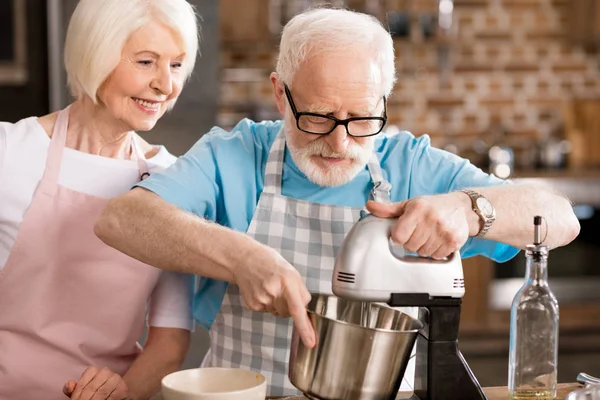
As environmental awareness grows, sustainable kitchen appliances have become increasingly important. Many modern baking mixers are engineered with energy-efficient motors that deliver strong performance while consuming less power.
Durability is another key aspect of sustainability. Long-lasting components, replaceable parts, and repair-friendly designs extend product lifespan. This reduces electronic waste and encourages investment in quality appliances rather than disposable alternatives.
Consumers are also prioritizing appliances made from recyclable materials and those designed with responsible manufacturing processes. Energy-efficient stand mixers not only reduce electricity consumption but also contribute to a more sustainable home environment.
Conclusion
The role of technology in modern baking is undeniable. From the earliest manual tools to today’s advanced electric and smart mixers, innovation has revolutionized how we prepare baked goods. Modern baking mixers enhance precision, improve efficiency, and expand creative possibilities for both home bakers and professionals.
With features such as variable speed control, durable construction, energy efficiency, and multifunctional attachments, contemporary mixers reflect the perfect blend of tradition and innovation. As technology continues to evolve, these essential kitchen appliances will remain at the heart of baking, empowering individuals to achieve consistent, high-quality results while exploring new culinary horizons.