

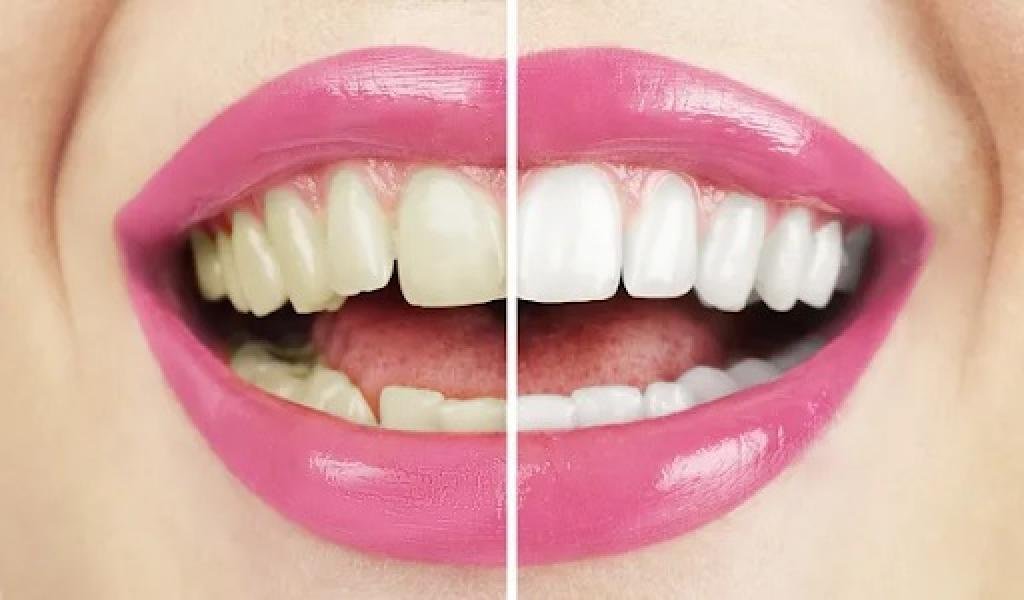
A bright, white smile has long been associated with health, vitality and confidence. With the growing emphasis on aesthetics and personal care, the demand for effective cosmetic dental treatments has surged. Teeth whitening treatments, in particular, have become exceptionally popular. In the context of improving oral aesthetics, teeth whitening in Singapore emerges as a sought-after option due to its perceived immediate and visible benefits.
Understanding Teeth Whitening
Teeth whitening is a cosmetic dental treatment designed to lighten the natural colour of tooth enamel and reduce stains or discolouration. It is considered one of the simplest and most affordable ways to improve smile aesthetics without invasive procedures.
Most individuals with healthy teeth and gums are suitable candidates for professional teeth whitening. However, a dental consultation is essential to determine the cause of discolouration and assess whether whitening will deliver the desired outcome. Having realistic expectations is important, as results vary depending on tooth condition and stain severity.
How Teeth Whitening Works
The science behind teeth whitening involves bleaching agents such as hydrogen peroxide or carbamide peroxide. These active ingredients penetrate the enamel and break down stain molecules through an oxidation process.
As the whitening gel interacts with the tooth surface, it disperses compounds responsible for discolouration. Over time, this chemical reaction visibly brightens teeth. Professional treatments often deliver noticeable improvements after just one session, while at-home options may require consistent application over several days or weeks.
Causes of Tooth Discolouration
Understanding the cause of tooth stains helps determine the most effective whitening approach. Discolouration generally falls into two categories: extrinsic and intrinsic stains.
Extrinsic stains appear on the outer enamel surface. They commonly result from consuming coffee, tea, red wine, and dark-coloured beverages and smoking. Poor oral hygiene can also contribute to surface staining.
Intrinsic stains occur within the tooth structure. These may develop due to certain medications, excessive fluoride exposure during childhood, ageing, or dental trauma. While extrinsic stains respond well to whitening treatments, intrinsic stains can be more challenging and may require advanced cosmetic dentistry solutions.
Teeth Whitening Treatment Options
Several teeth-whitening options are available, ranging from professional dental procedures to over-the-counter products. Choosing the right method depends on individual goals, budget, and sensitivity levels.
In-Office Teeth Whitening
Professional in-office teeth whitening offers the fastest and most dramatic results. During the procedure, a dentist applies a highly concentrated bleaching gel directly to the teeth. In some cases, LED light or laser technology is used to accelerate the whitening process.
The treatment typically takes about an hour. Protective measures are used to shield the gums and soft tissues, reducing the risk of irritation. Many patients notice significant improvement in tooth shade after just one session, making this method ideal for those seeking immediate results.
At-Home Whitening Kits
Custom take-home whitening kits provided by dental professionals offer a more gradual approach. These kits include custom-fitted trays and a lower-concentration bleaching gel. Patients wear the trays daily for a prescribed period, usually several weeks.
Because the trays are moulded to fit the teeth precisely, they ensure even gel distribution and minimise gum contact. This method provides effective, controlled whitening with reduced sensitivity risk compared to generic products.
Over-the-Counter Whitening Products
Whitening strips, gels, toothpaste, and mouth rinses are widely available for home use. These products contain lower concentrations of bleaching agents and are generally more affordable.
While convenient, over-the-counter whitening products may require prolonged and consistent use to achieve noticeable results. They are typically more effective for mild surface stains rather than deeper intrinsic discolouration.
Factors That Affect Whitening Results
The success of teeth whitening depends on multiple factors. The original tooth shade plays a significant role, as yellowish teeth often respond better than grey-toned teeth. The type and severity of stains also influence outcomes.
The chosen whitening method, concentration of bleaching agent, and adherence to aftercare instructions further determine effectiveness. Individuals who continue consuming staining substances after treatment may experience a faster relapse of discolouration.
Maintaining a Brighter Smile
Long-term whitening results require consistent oral hygiene and lifestyle adjustments. Brushing twice daily with fluoride toothpaste and flossing regularly helps prevent plaque buildup and surface staining.
Limiting consumption of coffee, tea, red wine, and sugary drinks can preserve tooth brightness. Using a straw for dark beverages may reduce direct contact with enamel. Avoiding tobacco products significantly decreases staining risk and improves overall oral health.
Periodic touch-up treatments, as recommended by dental professionals, can help maintain optimal results. Routine dental check-ups also ensure that teeth and gums remain healthy.
Conclusion
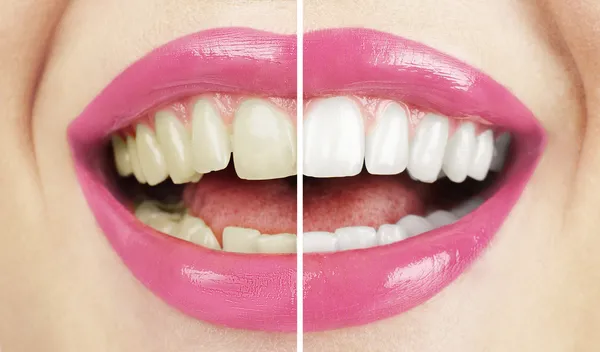
Teeth whitening remains one of the most accessible and effective cosmetic dental treatments for enhancing smile aesthetics. By understanding how whitening works, identifying the causes of tooth discolouration, and selecting the appropriate treatment option, individuals can achieve noticeable and satisfying results.
While professional in-office whitening delivers a rapid transformation, at-home kits and over-the-counter products provide flexible alternatives. Maintaining good oral hygiene and making mindful lifestyle choices are essential for preserving a brighter smile.
As advancements in cosmetic dentistry continue to refine whitening techniques, achieving a confident, radiant smile has never been more attainable.