

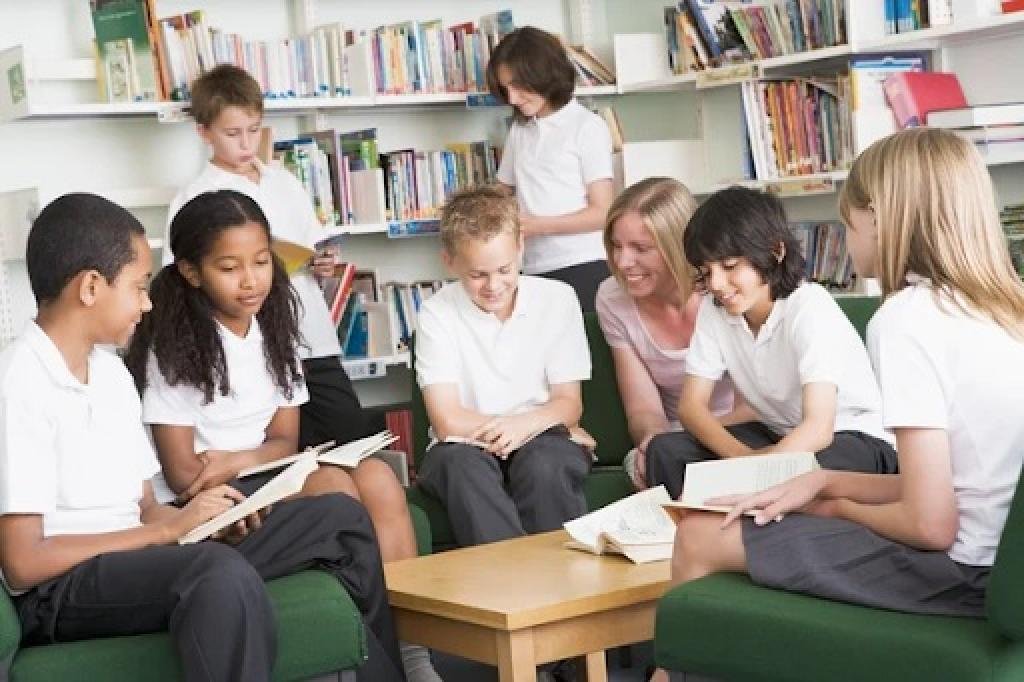
In recent decades, Singapore has emerged as a premier global education hub, offering a myriad of opportunities for international students. At the centre of this educational renaissance lies the robust ecosystem of foreign schools in Singapore. These institutions provide a wealth of options for expatriate families, contributing significantly to the nation’s multicultural fabric and offering curriculums that cater to various linguistic and educational preferences.
Table of contents [Show]
Diversity of Curriculum
One of the most appealing aspects of foreign schools in Singapore is the wide variety of international curricula available. International schools are designed to accommodate students from different national and cultural backgrounds, offering education systems that reflect global academic standards.
Many institutions provide internationally recognized programmes such as the International Baccalaureate, the British GCSE and A-Level system, the American Advanced Placement programme and the International Primary Curriculum. This broad selection allows parents to choose an academic pathway that closely matches the educational framework of their home country.
Such flexibility is especially beneficial for families who relocate frequently. Students can continue their education with minimal disruption, maintaining academic consistency while adapting to a new environment. This approach also strengthens Singapore’s reputation as a destination for world-class international education.
The availability of diverse curricula also allows students to explore different learning styles and academic approaches. Some programmes emphasize inquiry-based learning, while others focus on structured assessments or project-based study. This variety ensures that students can thrive in an educational environment suited to their strengths and interests.
The International Baccalaureate
The International Baccalaureate programme is widely recognized as one of the most prestigious academic frameworks offered by many foreign schools in Singapore. Known for its rigorous and holistic approach, the programme focuses on developing critical thinking, research skills and intercultural understanding.
The curriculum is designed as a continuous educational journey, supporting students from early childhood through their final years of secondary school. Throughout this process, students engage in interdisciplinary learning, connecting subjects and ideas to gain a broader perspective on global issues.
The emphasis on inquiry and reflection encourages students to become independent learners. They are challenged to analyze complex topics, engage in collaborative projects and develop strong communication skills. These attributes help prepare graduates for success in competitive universities around the world.
In addition to academic achievement, the programme also promotes personal growth. Students participate in creative activities, community service initiatives, and physical development programmes, creating a well-rounded educational experience that nurtures both intellectual and personal development.
Language Immersion Opportunities
Language learning is a key feature of international education in Singapore. Most foreign schools provide comprehensive language immersion programmes that help students develop strong communication skills and cultural awareness.
English is typically the primary language of instruction, but students are often encouraged to learn additional languages such as Mandarin, Spanish or French. These language programmes promote global competence and prepare students for opportunities in international business, diplomacy, and academia.
Learning multiple languages also supports cognitive development and cultural appreciation. Students gain the ability to communicate across cultures while building confidence in diverse social and professional environments.
Exposure to multilingual environments is particularly valuable in Singapore’s international setting, where students interact with peers from numerous cultural backgrounds.
Extracurricular Enrichment
Beyond academic instruction, foreign schools in Singapore are known for offering extensive extracurricular activities that contribute to holistic student development. These programmes allow students to explore personal interests, develop leadership skills, and build meaningful friendships.
Sports, performing arts, debate clubs, robotics teams, and community service initiatives are commonly available. Participation in these activities encourages teamwork, creativity, and personal confidence.
Extracurricular programmes also help students maintain a balanced lifestyle. They provide opportunities to relieve academic stress while discovering new passions and talents. Through these experiences, students learn essential life skills that complement their academic achievements.
Sports and Physical Education
Physical education plays an important role in many international schools. Modern sports facilities and professional coaching allow students to participate in a wide range of athletic activities.
Popular sports programmes often include swimming, tennis, football, and basketball. These activities encourage physical fitness, discipline, and teamwork. Students also gain valuable experience by participating in interschool competitions and regional tournaments.
Regular involvement in sports helps students build resilience and perseverance while strengthening their sense of community within the school environment.

Arts and Creative Development
Creative expression is another essential component of education in foreign schools. Many institutions offer strong arts programmes that include music, visual arts, dance and theatre.
Students are encouraged to explore their creativity through performances, exhibitions, and collaborative projects. These opportunities help them develop confidence, imagination, and emotional intelligence.
Participation in the arts also supports cognitive development and enhances critical thinking skills. Creative programmes often complement academic learning by encouraging innovative problem-solving and self-expression.
Community and Cultural Integration
Foreign schools in Singapore foster vibrant communities that celebrate diversity and global citizenship. Students from different nationalities interact daily, creating an environment rich in cultural exchange.
Multicultural events, cultural festivals, and international celebrations are common features of school life. These activities allow students to share traditions and learn about different cultures in a meaningful way.
Such experiences help cultivate empathy, respect and understanding among students. The multicultural atmosphere prepares them to thrive in international environments where cross-cultural collaboration is essential.
Conclusion
Foreign schools in Singapore represent a dynamic and diverse educational landscape that attracts families from around the world. With internationally recognized curricula, multilingual learning environments and extensive extracurricular opportunities, these schools provide students with a comprehensive, globally relevant education.
The combination of academic excellence, cultural diversity, and holistic development creates an environment where students can thrive both intellectually and personally. As Singapore continues to strengthen its position as a global education hub, foreign schools will remain a key part of its international education ecosystem.