

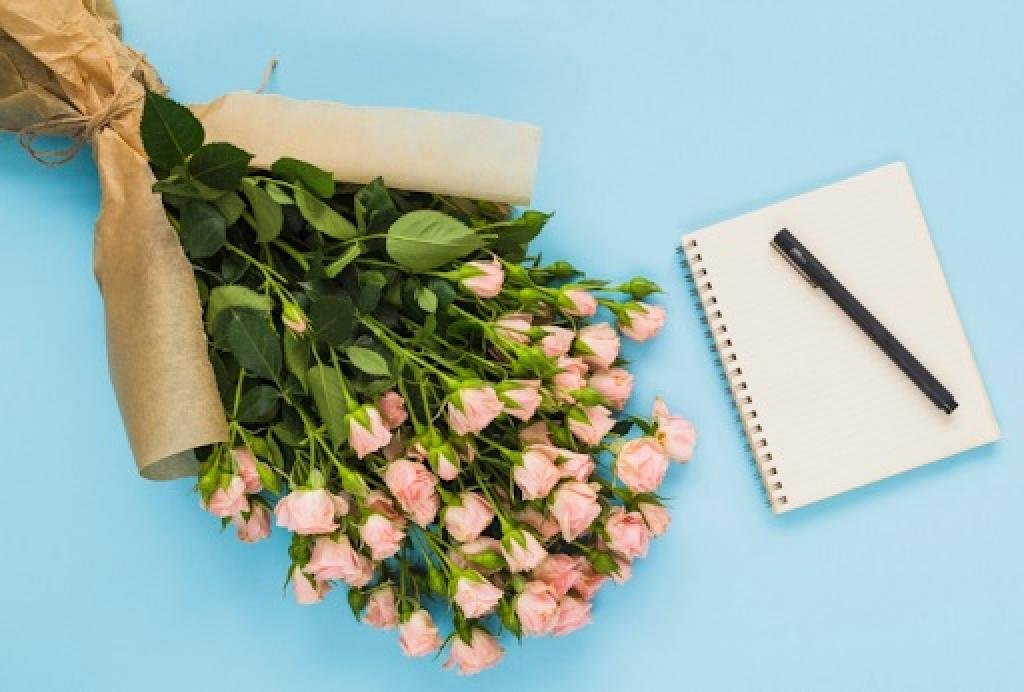
Graduation Floral Gifts
Graduation ceremonies mark a significant milestone in a person’s life, symbolizing the culmination of years of dedication, hard work and perseverance. Choosing bouquet flowers for graduation allows family and friends to honour this achievement with a meaningful and visually striking gesture. Among the many customs that surround this momentous event, the presentation of a bouquet at graduation holds a special place. This cherished tradition not only celebrates academic accomplishments but also conveys heartfelt emotion, admiration, and encouragement. A graduation bouquet is more than just a gift—it is a tangible expression of pride, love, and hope for the graduate’s future.
The tradition of gifting flowers has deep historical roots, spanning centuries and cultures. In Victorian times, the language of flowers, known as floriography, allowed individuals to communicate intricate messages through carefully chosen blooms. Roses could convey love or respect, while lilies symbolised purity and commitment. Over time, this symbolic practice extended into educational milestones, making flowers a meaningful component of graduation celebrations. Today, gifting a bouquet remains a time-honoured tradition, honouring the graduate’s achievements while symbolising new beginnings and bright futures.
Symbolism of Flowers Used in Graduation Bouquets
Every flower in a graduation bouquet carries its own unique meaning. Roses, with their universal appeal, often symbolise balance, admiration, and fresh starts. Lilies represent commitment, growth, and transition, reflecting the journey graduates have undertaken. Daisies, cheerful and light-hearted, signify innocence, joy, and friendship, making them a popular choice for celebrating success. Sunflowers, with their bold yellow petals, convey adoration, loyalty, and optimism, perfectly capturing the excitement of graduation day. The combination of these blooms creates not only a visually stunning bouquet but also a layered message of hope, encouragement, and pride.
The Role of Florists in Crafting Graduation Bouquets
Professional florists play a vital role in transforming these symbolic meanings into tangible, beautiful arrangements. Their expertise extends beyond aesthetics, encompassing the durability, freshness, and presentation of the bouquet. Florists carefully select blooms that will remain vibrant throughout graduation ceremonies and consider the overall balance and harmony of colours and textures. Greenery and fillers, such as ferns, eucalyptus and baby’s breath, are often incorporated to add depth, contrast and movement to the bouquet. This attention to detail ensures that the bouquet is not only visually appealing but also meaningful and long-lasting.
Cultural Variations in Graduation Floral Traditions
While gifting flowers is a widely practised custom, cultural variations influence the types of flowers used and the style of arrangements. In many Asian countries, orchids are favoured for graduation bouquets, symbolising beauty, resilience, and strength. In European nations, simplicity and elegance are often prioritised, with smaller arrangements that feature local, seasonal blooms. These cultural differences highlight the diverse ways in which societies celebrate achievement and convey pride, while also reflecting unique values, aesthetics, and traditions.
Economic Impact of the Graduation Floral Industry
Graduation season brings a significant economic boost to the floral industry. Thousands of bouquets are purchased during peak periods, supporting local florists, growers, and suppliers. For many small florists, the graduation period can account for a substantial portion of annual sales, making it a critical time for business sustainability. This seasonal demand also encourages creativity and innovation in bouquet design, as florists strive to offer arrangements that stand out and make a lasting impression. The interplay between tradition, artistry and commerce helps to sustain the floral economy while enriching the cultural fabric of graduation ceremonies.
Sustainable Practices in Cultivation and Floristry
With growing awareness of environmental concerns, florists and flower growers are increasingly adopting sustainable practices. Locally sourced flowers reduce carbon footprints, while biodegradable or reusable materials for wrapping minimise waste. Organic and low-chemical cultivation methods contribute to healthier ecosystems and safer working conditions. These eco-friendly approaches not only appeal to environmentally conscious consumers but also demonstrate a broader commitment to sustainable business practices, showing that celebration and responsibility can go hand in hand.
Emotional and Social Aspects of Receiving Graduation Bouquets
The emotional impact of receiving a graduation bouquet cannot be understated. A bouquet is a tangible acknowledgement of achievement and a symbol of love, admiration and pride. For graduates, it serves as a comforting presence amid the excitement and anticipation of the day. The act of giving flowers also strengthens social bonds, reinforcing the connections between family, friends and mentors. Every bouquet tells a story, reflecting personal sentiment and shared joy, and often becomes a keepsake that evokes memories of accomplishment for years to come.
Customising the Graduation Bouquet Experience
Personalisation has become a prominent trend in gifting, and graduation bouquets are no exception. Florists now offer bespoke arrangements tailored to the graduate’s preferences, interests, and personality. Favourite colours, exotic blooms, or thematic elements that reflect a graduate’s field of study—such as wildflowers for botanists or vibrant arrangements for artists—can be incorporated to create a truly unique gift. Adding personal notes, charms, or symbolic elements further enhances the bouquet’s significance, transforming it from a decorative gesture into a meaningful memento that commemorates the graduate’s journey.
Technological Advancements in Floral Retail
Technology has significantly transformed the floral industry, making it easier for people to order, customise, and deliver graduation bouquets. Online platforms allow buyers to explore various designs, compare prices and send flowers to recipients who cannot attend the ceremony in person. Digital tools also enable florists to reach a wider audience, offer virtual consultations, and provide real-time previews of arrangements. These innovations streamline the gifting process while ensuring that the emotional impact of receiving a bouquet is preserved, even when distance separates the giver and recipient.
Future Trends in Graduation Floral Gifting
Looking ahead, graduation floral gifting is poised to evolve alongside changing consumer preferences and societal trends. Sustainable sourcing, ethical practices, and innovative designs are likely to become increasingly important. Technology may further enhance the experience, with virtual previews, AI-assisted customisation, and even interactive digital messages accompanying physical bouquets. Despite these advancements, the essence of the tradition will remain unchanged: presenting a bouquet at graduation will continue to symbolise pride, hope, and celebration, bridging past achievements with future aspirations.
Conclusion
The tradition of gifting bouquet of flowers at graduation ceremonies is timeless, blending history, symbolism and emotion. From Victorian floriography to modern personalised arrangements, flowers have consistently conveyed admiration, encouragement, and joy. Whether crafted by skilled florists, customised to reflect individual personalities, or sourced sustainably to honour the planet, graduation bouquets remain an enduring symbol of accomplishment. They celebrate not only academic achievement but also the promise of the future, offering graduates a moment of recognition and a tangible reminder of the love and support that surrounds them. As society continues to evolve, this cherished custom will adapt and flourish, ensuring that the joy of giving and receiving flowers remains an integral part of graduation celebrations worldwide.