From Natural to Dramatic: Choosing the Right Eyelash Extensions in Scottsdale
Explore Classic, Hybrid, Volume, and Mega Volume eyelash extensions in Scottsdale and find a style that matches your look and lifestyle.

Suggested:
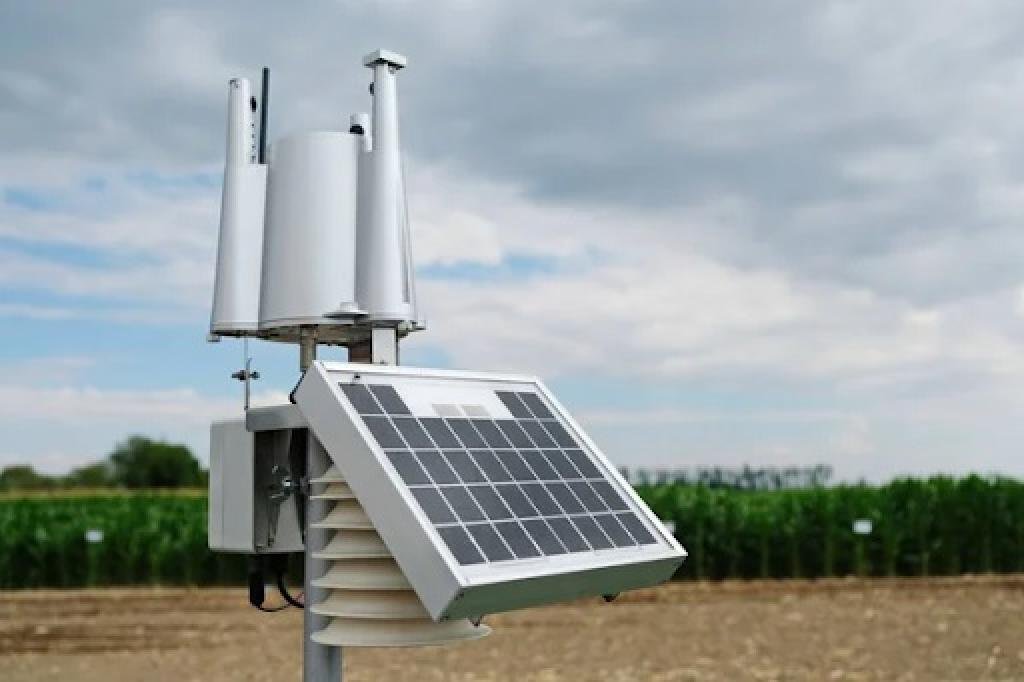
Discover how weather monitoring stations and advanced agricultural technology are transforming modern farming. Enhance crop yield, efficiency, and sustainability with precise weather data and smart farming tools.
Agricultural practices have dramatically evolved with the advent of technology, providing essential tools for farmers to enhance productivity and sustainability. One notable advancement is the integration of a weather monitoring station for farms, a critical component that offers invaluable data for optimising agricultural practices.
Table of contents [Show]
Accurate weather data is a cornerstone of effective agricultural management. Understanding local weather patterns helps farmers determine optimal planting schedules, irrigation needs, fertilisation strategies, and harvest timings. A farm-based weather monitoring station delivers precise data on temperature, humidity, wind speed, rainfall, and atmospheric pressure. This information allows farmers to anticipate weather-related risks, prevent crop loss, and plan agricultural activities with confidence.
Real-time data empowers farmers to adopt precision agriculture techniques, ensuring that crops receive exactly what they need at the right time. It also reduces resource wastage and enhances overall farm efficiency, making weather monitoring an indispensable tool for modern agriculture.
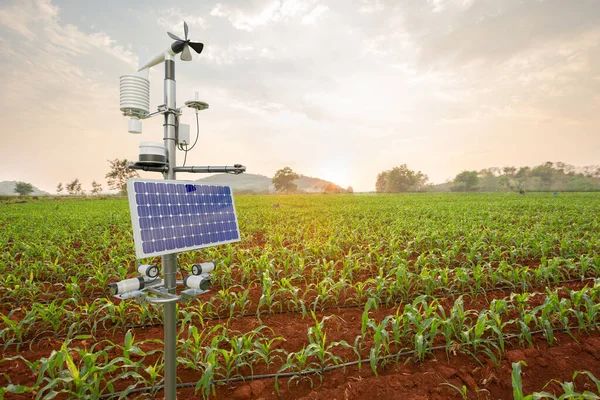
A fully functional weather monitoring station combines multiple instruments designed to track different environmental variables essential for crop health.
Thermometers and hygrometers measure ambient temperature and relative humidity, factors that significantly impact crop growth, disease prevalence, and pest activity. Anemometers track wind speed and direction, helping farmers plan pesticide spraying or other wind-sensitive activities safely and effectively. Rain gauges monitor precipitation levels, guiding irrigation planning to ensure crops receive sufficient water without over-irrigation. Barometers detect changes in atmospheric pressure, offering early warnings for storms or adverse weather events.
Advanced weather stations may also include soil moisture sensors, leaf wetness meters, and solar radiation detectors. These tools provide a more detailed understanding of the farm microclimate, helping farmers optimise conditions for crop growth and reduce risks associated with extreme weather.
Modern agricultural weather stations are integrated with digital technology to improve accessibility and efficiency. Many stations feature wireless connectivity, mobile apps, and web platforms, allowing farmers to access real-time data and forecasts remotely.
Data analytics and artificial intelligence play a pivotal role in modern weather monitoring systems. AI algorithms analyze historical and current weather data to predict trends, enabling proactive planning and risk mitigation. Farmers can use these insights to make informed decisions regarding irrigation scheduling, fertilizer application, and pest control.
The Internet of Things (IoT) further enhances automation by connecting weather stations to other farm equipment. For example, irrigation systems can adjust water delivery automatically based on real-time soil moisture and weather data. This technology not only improves water-use efficiency but also promotes sustainable farming practices.
Installing a weather monitoring station on a farm offers numerous advantages. These systems support precision agriculture, allowing farmers to tailor their practices to the specific needs of crops and the surrounding environment. Real-time weather monitoring improves risk management by providing early warnings for extreme weather events, reducing potential crop damage.
Resource optimization is another key benefit. By relying on precise weather data, farmers can optimize water usage, fertilizer application, and pesticide treatments, resulting in cost savings and reduced environmental impact. In addition, timely information helps farmers improve planting and harvesting schedules, enhancing crop yield and overall quality.
Despite their benefits, weather monitoring stations present certain challenges. The initial investment can be substantial, though the long-term gains in efficiency and crop yield often justify the cost. Maintenance and calibration are essential to ensure data accuracy, requiring farmers to commit to regular upkeep.
Data interpretation is another consideration. Access to advanced weather data is only useful if farmers can effectively understand and apply it. Training or support may be necessary to maximise the value of these technologies, ensuring that the insights lead to actionable decisions.
The future of agricultural weather monitoring is promising, with technology continuing to enhance accuracy, accessibility, and usefulness. Advances in sensor technology, machine learning, and predictive analytics are expected to deliver higher-resolution weather forecasts tailored to individual farm needs.
Satellite technology and remote sensing offer additional potential, enabling farms to access both micro and macroclimate data. This broader perspective complements on-site weather stations, providing a complete picture of environmental conditions across large agricultural areas.
As climate change alters global weather patterns, weather monitoring stations will play an increasingly critical role in adaptive farming strategies. By providing precise, real-time data, these systems allow farmers to adjust operations proactively, ensuring resilience and sustainability in the face of unpredictable conditions.
Weather monitoring stations are transforming modern agriculture by combining traditional meteorological instruments with advanced technology. These systems provide farmers with accurate, real-time data, predictive insights, and automated tools to optimise irrigation, crop management, and resource usage. By adopting weather monitoring technology, farmers can improve crop yield, reduce waste, and enhance sustainability, positioning themselves for success in the era of precision agriculture. The integration of data analytics, AI, IoT, and satellite technology ensures that weather monitoring will remain a cornerstone of efficient and resilient farming practices well into the future.
Explore Classic, Hybrid, Volume, and Mega Volume eyelash extensions in Scottsdale and find a style that matches your look and lifestyle.