Toyota Chaser: The Ultimate JDM Sedan Legend – Complete History, Specs & JZX100 Guide
Discover the Toyota Chaser, a JDM icon known for its 1JZ-GTE engine and drift legacy. Explore history, specs, and the famous JZX100 Tourer V model.

Suggested:

Explore the growth of solar energy in Singapore, including solar panel installations, technological innovations, economic and environmental benefits, and the future of renewable energy solutions in the city-state.
Singapore has strategically set its eyes on the bright future offered by renewable energy. As an urban city-state with limited natural resources, the challenge lies in managing energy demands sustainably. Amidst Singapore’s dense skyline, solar energy emerges as a viable solution. Consequently, solar installation in Singapore has rapidly gained traction as the nation seeks cleaner energy sources to mitigate climate change impact, reduce carbon emissions, and secure energy independence.
Table of contents [Show]
The Singaporean government actively promotes solar energy adoption through incentives, grants, and supportive policies. While the country lacks expansive land for traditional solar farms, innovative solutions such as floating solar farms and integrating solar panels into building rooftops have enabled significant growth. Since the early 2000s, the capacity of solar photovoltaic (PV) systems has expanded exponentially, positioning solar energy as a cornerstone of Singapore’s sustainable development strategy.
Urban planning and smart integration of solar technology in residential, commercial, and industrial buildings have made solar energy increasingly accessible. These initiatives not only advance renewable energy goals but also establish Singapore as a regional leader in sustainable urban energy solutions.
Advancements in solar installation technology have dramatically improved energy efficiency while reducing costs. High-efficiency solar panels, advanced inverters, and battery storage systems now make it easier for homeowners and businesses to maximise energy savings.
Cutting-edge innovations such as bifacial solar panels, which capture sunlight from both sides, and transparent solar cells integrated into windows are being explored to enhance energy production in compact urban spaces. Energy storage solutions allow excess solar energy to be stored for use during cloudy or rainy periods, addressing one of the key limitations of solar power in tropical climates. These technological breakthroughs are fueling the growing popularity of residential and commercial solar systems across Singapore.
Singapore’s robust regulatory framework encourages private sector participation and technological innovation in solar energy. Clear guidelines for developers and incentives for incorporating solar PV systems streamline project implementation.
Government initiatives offer financial support through grants, tax rebates, and subsidies to offset installation costs for commercial and residential solar panels. By reducing upfront expenses and simplifying the adoption process, these policies have accelerated the expansion of solar energy installations and strengthened Singapore’s renewable energy ecosystem.
Solar energy offers significant economic and environmental advantages. Over time, solar panels reduce electricity bills substantially, providing long-term savings for households and businesses. Reducing reliance on imported fossil fuels also enhances energy security—a crucial factor for a nation with limited natural resources.
From an environmental perspective, adopting solar energy directly lowers greenhouse gas emissions and carbon footprints. By investing in solar technology, Singapore not only meets its sustainability targets but also reinforces its position as a regional leader in environmentally conscious energy solutions.
Despite its advantages, solar energy in Singapore faces challenges, including tropical weather variability, limited rooftop space, and the need for skilled technicians for installation and maintenance. However, research and development initiatives are actively addressing these barriers.
Energy storage advancements, such as battery systems capable of storing surplus power, enable a consistent energy supply even during overcast or rainy periods. Training programmes and skill development initiatives for solar technicians ensure that the workforce can meet the growing demand for professional installation and maintenance services.
Public awareness and community involvement are critical to advancing solar energy adoption. Educational campaigns inform citizens about the benefits of solar technology, while community solar projects allow individuals without suitable rooftops to invest in shared solar systems.
These initiatives expand participation in renewable energy adoption and create a collective movement towards sustainability. By empowering communities to actively contribute to environmental preservation, solar energy adoption becomes a shared societal goal rather than just a technological upgrade.
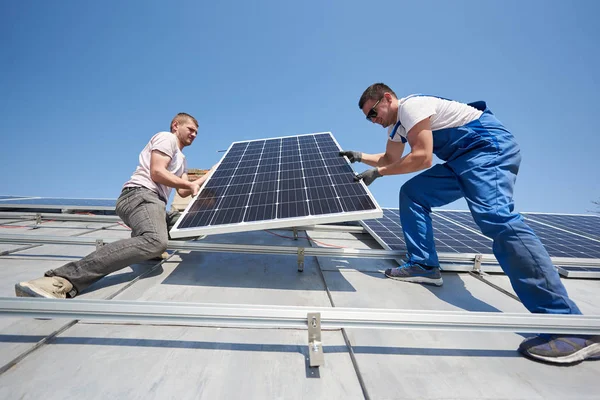
The private sector plays a vital role in accelerating solar energy growth. Businesses increasingly recognize the dual advantage of cost savings and sustainability branding. Corporate adoption of solar panels showcases environmental responsibility and influences consumer behaviour positively.
Collaboration between public institutions and private companies in research, development and technology dissemination drives continuous innovation. This synergy ensures that solar energy remains efficient, affordable and widely accessible.
Singapore’s solar energy sector is poised for significant expansion in the coming years. The integration of solar PV systems in urban planning, such as new housing developments and commercial projects, demonstrates a long-term commitment to renewable energy.
Strategic partnerships, both locally and internationally, are expected to accelerate the adoption of solar technology. With continued innovation, policy support and community engagement, Singapore is positioned to become a global leader in solar energy, setting a benchmark for sustainable urban development.
The rise of solar energy in Singapore exemplifies innovation, sustainability and strategic foresight in addressing energy challenges within a compact urban environment. Technological advancements, supportive policies, and community participation are driving solar power adoption across residential and commercial sectors. By harnessing the sun effectively, Singapore is moving towards a cleaner, more sustainable future powered by renewable energy, setting an example for cities worldwide.
Discover the Toyota Chaser, a JDM icon known for its 1JZ-GTE engine and drift legacy. Explore history, specs, and the famous JZX100 Tourer V model.
The world of home appliances offers a wide range of options for anyone seeking the perfect refrigerator. Look for a reliable fridge in Singapore that balances energy efficiency, storage capacity
Discover the Antonov An-225 Mriya, the world’s largest cargo aircraft. Learn its history, record size, powerful engines, and legacy after 2022 destruction.