

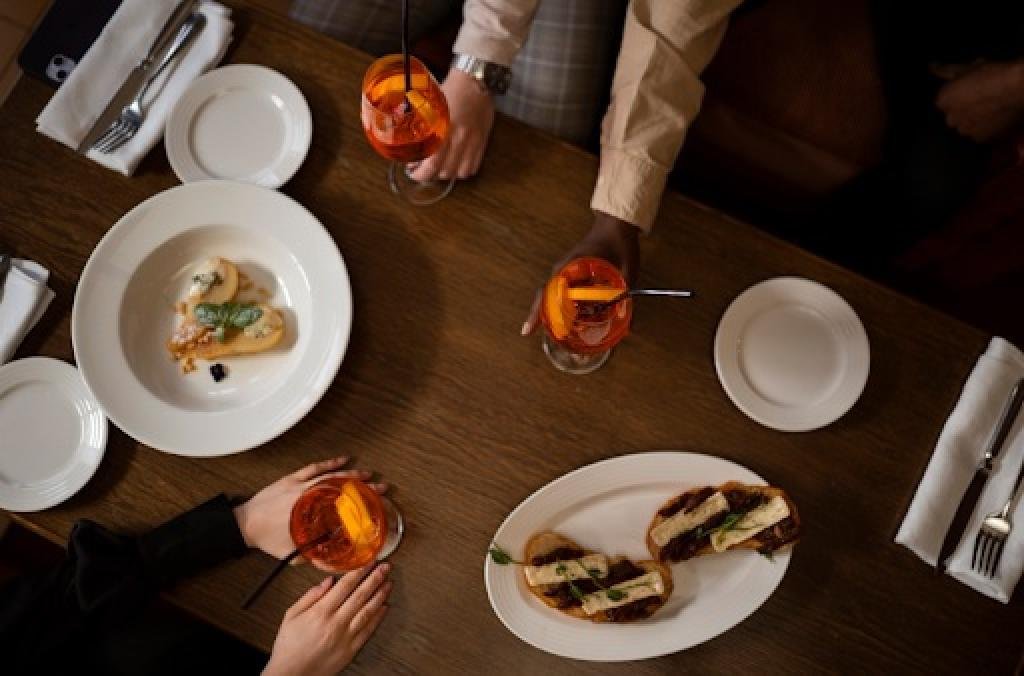
Casual fine dining has grown into one of the most exciting movements in today’s restaurant scene. Many establishments offering casual fine dining in Singapore combine innovative menus, attentive service and stylish yet relaxed interiors to create memorable dining experiences. It blends the elegance and culinary precision of traditional fine dining with a relaxed and welcoming atmosphere. This style appeals to diners who appreciate high-quality food but prefer an environment that feels comfortable rather than formal. As dining habits evolve, more people are choosing experiences that offer both sophistication and ease, and casual fine dining delivers exactly that balance.
The Essence of Casual Fine Dining
At its core, casual fine dining combines refined cuisine with an approachable setting. Guests can enjoy carefully prepared dishes made with skill and attention to detail, without the strict dress codes or rigid service structures often associated with traditional fine dining. The focus remains on quality, but the experience feels more personal and relaxed.
This approach attracts a diverse group of diners. Some are seasoned food enthusiasts looking for creativity, while others simply want to enjoy exceptional meals in a comfortable space. The result is a dining style that feels inclusive while still maintaining a sense of refinement.
A Shift in Dining Expectations
Modern diners value authenticity, transparency, and comfort. Rather than seeking exclusivity, many prefer experiences that feel genuine and engaging. Casual fine dining reflects this shift by creating spaces where guests can enjoy outstanding food without feeling intimidated.
Restaurants embracing this concept often prioritise connection. Chefs may interact with guests; open kitchens allow diners to see food being prepared, and service teams focus on warmth rather than formality. These subtle changes redefine what luxury in dining truly means.
Culinary Innovation and Creative Freedom
One of the most exciting aspects of casual fine dining is the freedom it gives chefs. Without being tied to rigid traditions, culinary teams can experiment with flavours, textures, and presentation. Dishes often showcase bold combinations, modern techniques, and artistic plating.
Creativity becomes the centrepiece of the experience. Meals are designed not just to satisfy hunger but to spark curiosity and delight. Diners may encounter unexpected ingredient pairings, innovative cooking methods, and presentations that are visually stunning yet approachable.
Seasonal Ingredients and Fresh Produce
A defining feature of this dining style is the emphasis on seasonal ingredients. Many establishments build menus around what is fresh and available, ensuring optimal flavour and quality. This commitment to freshness enhances the overall dining experience and supports thoughtful sourcing practices.
By focusing on seasonal produce, chefs create menus that evolve throughout the year. This keeps offerings exciting and encourages repeat visits. Guests know they can expect something new and thoughtfully crafted each time they dine.
Tasting Menus and Curated Experiences
Casual fine dining often includes tasting menus designed to showcase the chef’s creativity. These curated experiences guide diners through multiple courses, each highlighting different techniques and flavour profiles.
Tasting menus allow guests to explore a broader range of dishes in one sitting. Rather than choosing a single entrée, diners enjoy a journey of small, carefully balanced plates. This format enhances the sense of discovery and elevates the overall experience.
Atmosphere and Ambience
The setting plays a crucial role in casual fine dining. While maintaining an upscale feel, the atmosphere is warm and inviting. Decor often combines modern design elements with comfortable seating and thoughtful lighting.
Music, layout, and overall ambience are carefully considered to enhance relaxation. Guests are encouraged to take their time, enjoy conversation, and savour each course. The result is an environment that feels refined but never rigid.
Service with a Personal Touch
Service in casual fine dining strikes a balance between professionalism and friendliness. Staff members are knowledgeable about the menu and ingredients, yet interactions feel natural rather than scripted.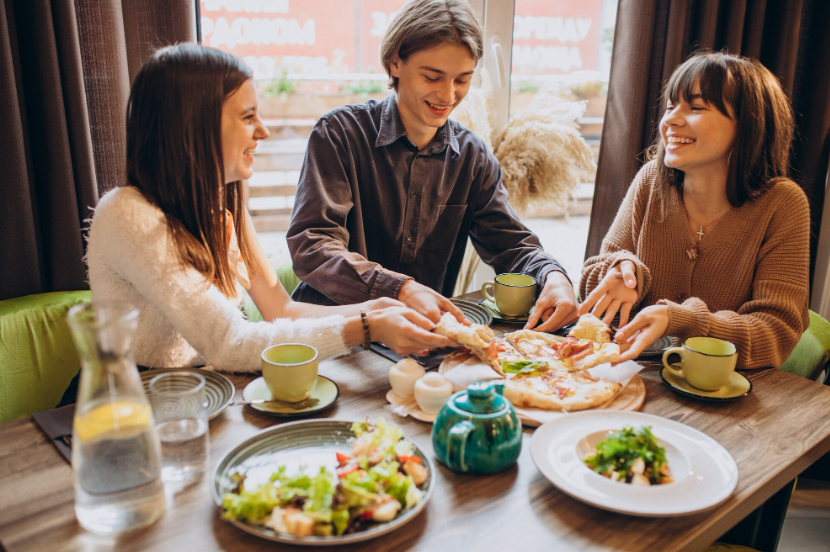
This approachable service style makes guests feel valued and comfortable. Rather than focusing on strict etiquette, the emphasis is on genuine hospitality and attentiveness.
Beverage Pairings and Wine Selection
A strong beverage programme is often a hallmark of casual fine dining. Carefully curated wine lists complement the menu, offering pairings that enhance flavours and elevate each course. Staff members guide diners through selections, explaining how certain wines highlight specific elements of a dish.
Beyond wine, many restaurants craft signature cocktails using fresh ingredients and creative techniques. These drinks mirror the innovation found in the kitchen, creating a cohesive dining experience from start to finish.
The Role of Mixology in Modern Dining
Mixology has become an art form within casual fine dining. Bartenders experiment with infusions, house-made syrups, and unique garnishes to craft memorable beverages.
These drinks are not just additions to the meal but integral components of the experience. The thoughtful balance of flavours ensures that beverages enhance rather than overpower the food.
Influence on the Restaurant Industry
The rise of casual fine dining has reshaped the restaurant industry. Traditional fine dining establishments have adapted by softening formal elements, while casual restaurants have elevated their culinary standards.
This blending of styles has broadened access to high-quality cuisine. More diners can now experience refined dishes without committing to overly formal settings. The industry has become more dynamic and responsive as a result.
Encouraging Culinary Exploration
Casual fine dining encourages experimentation. Chefs feel empowered to explore global flavours, reinterpret classic dishes, and push creative boundaries.
This openness fosters innovation and keeps the dining landscape vibrant. Guests benefit from diverse menus that reflect both tradition and modern influence.
Balancing Global Inspiration with Local Identity
Another defining feature is the balance between global and local influences. Chefs often integrate international techniques with familiar flavours, creating dishes that feel both exciting and comforting.
This approach allows diners to explore new tastes while still connecting with recognisable ingredients and culinary traditions. It celebrates diversity without losing authenticity.
Accessibility Without Compromise
Perhaps the greatest achievement of casual fine dining is its accessibility. It proves that quality does not require excessive formality. By removing barriers such as strict dress codes or intimidating service rituals, these restaurants welcome a wider audience.
Despite the relaxed atmosphere, there is no compromise on quality. Ingredients remain premium, techniques precise, and presentation thoughtful. This balance defines the success of the concept.
The Social Aspect of Casual Fine Dining
Dining has always been a social activity, and casual fine dining enhances this element. The relaxed setting encourages conversation and shared experiences.
Whether celebrating a special occasion or enjoying a simple evening out, guests feel comfortable lingering over their meals. The focus is on connection as much as cuisine.
The Future of Casual Fine Dining
As dining preferences continue to evolve, casual fine dining is likely to remain influential. Its ability to adapt to modern expectations while preserving culinary excellence positions it as a lasting trend rather than a passing phase.
Restaurants will continue to refine this concept, blending creativity, comfort, and quality in new ways. The emphasis on experience, authenticity, and innovation ensures its continued relevance.
Conclusion: Redefining Modern Dining
The rise of casual fine dining represents a meaningful shift in culinary culture. By merging refined cuisine with a welcoming environment, it offers the best of both worlds. Guests enjoy expertly crafted dishes without the constraints of traditional fine dining formality.
Through creativity, thoughtful sourcing, engaging service and inviting ambience, casual fine dining has redefined what it means to enjoy a memorable meal. It celebrates both sophistication and simplicity, creating experiences that feel special yet approachable. This modern approach continues to shape the future of dining, inviting everyone to take part in a refined but relaxed gastronomic journey.