

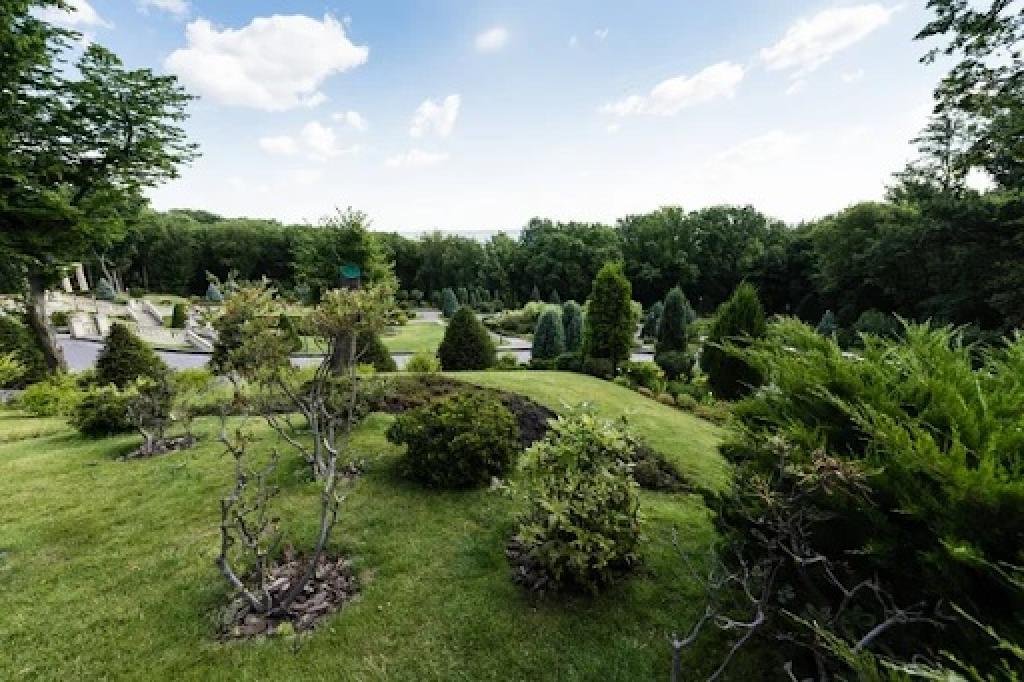
Situated at the crossroads of various cultural influences, Singapore has developed an intricate tapestry of horticultural artistry and urban design. While a city bursting with towering skyscrapers and bustling streets might not immediately conjure images of lush greenery, Singapore is a testament to concerted efforts in landscape design, blending nature seamlessly with urbanity. Right from the genteel historical gardens to contemporary architectural marvels, the city invites exploration through its myriad green spaces. Notably, BNL offers landscaping services in Singapore, converging art, functionality and sustainability into every project they undertake.
The Historical Roots of Landscaping in Singapore
The history of landscaping in Singapore stretches back to the British colonial era, when the administration began introducing ornamental trees, decorative plants, and public parks to the growing trading port. These early initiatives laid the groundwork for Singapore’s horticultural legacy. The Singapore Botanic Gardens, established in the mid-19th century, remains a symbol of this heritage, offering a serene refuge for biodiversity amid the urban landscape. Today, these gardens not only preserve historical plant collections but also provide educational opportunities, demonstrating how traditional landscaping principles can coexist with modern urban needs.
Progressive Urban Designs and Iconic Green Spaces
Singapore’s commitment to integrating greenery into urban life is epitomized by the “City in a Garden” vision. This urban planning approach prioritizes accessible green spaces and environmental sustainability. Landmark projects like Gardens by the Bay showcase innovative landscaping techniques, featuring vertical gardens, climate-controlled biomes, and diverse plant collections that combine native and exotic species. These spaces highlight the intersection of architectural ingenuity and landscape design, proving that urban areas can be both functional and visually captivating while supporting ecological health.
Residential Landscaping Innovation
In Singapore, residential landscaping transforms limited outdoor spaces into personal sanctuaries. Designers create lush environments through rooftop gardens, vertical greenery, water features, and carefully curated plant arrangements. These spaces extend living areas, improve air quality, and contribute to the local microclimate. Beyond aesthetics, well-designed residential gardens enhance mental well-being, offering homeowners a retreat from city life. Innovative solutions such as sustainable home landscaping and eco-friendly garden designs are becoming increasingly popular, reflecting the city’s dedication to harmonizing living spaces with nature.
Commercial Landscaping: Green Spaces in Urban Commerce
Landscaping is not confined to homes and public parks; it plays a significant role in commercial properties as well. Incorporating greenery into office complexes, shopping districts, and business hubs enhances visual appeal, attracts customers, and boosts employee productivity. Features like green walls, rooftop gardens, and eco-conscious building designs illustrate how commercial landscaping services in Singapore integrate environmental responsibility with practical design. These elements also contribute to Singapore’s reputation as a global leader in urban sustainability, setting a benchmark for cities seeking to combine commerce with nature.
The Role of Landscaping Services in Singapore
Professional landscaping services in Singapore have been pivotal in shaping the city’s urban greenery. By blending horticultural traditions with innovative techniques, landscape experts transform outdoor areas into aesthetically pleasing, functional, and sustainable environments. Emphasis on environmental harmony and sustainable landscaping solutions ensures that projects not only enhance visual appeal but also promote ecological balance. These services often incorporate modern technologies, eco-friendly materials, and maintenance strategies designed to support long-term greenery in urban settings.
Technology Driving Sustainable Landscapes
Technological advancements are revolutionising Singapore’s landscaping practices. Smart irrigation systems, climate-responsive planting, and sensor-based monitoring ensure efficient water usage and resource management. Drones, data analytics, and integrated landscape management systems allow professionals to monitor plant health, detect pest issues, and optimise growth conditions. By leveraging landscape technology and precision gardening, Singapore creates urban green spaces that are both resilient and environmentally responsible.
Biodiversity and Ecological Corridors
Singapore’s landscaping initiatives prioritise biodiversity, linking green spaces through ecological corridors. These corridors support the movement of wildlife and maintain habitats for native flora and fauna, creating a vibrant urban ecosystem. Parks, rooftop gardens, and roadside greenery collectively contribute to a living network that sustains biodiversity and provides residents with access to nature in densely populated areas. Such efforts highlight the city’s focus on urban biodiversity and ecological preservation, making green corridors a vital component of modern landscape design.
Educational and Community Benefits
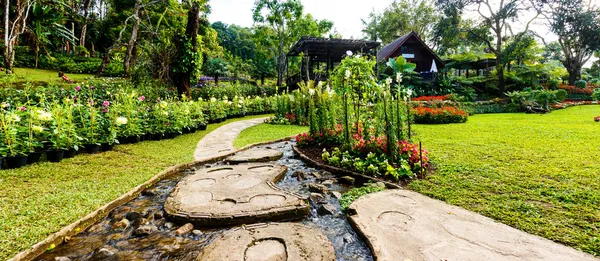
Landscaping in Singapore also serves educational purposes. Universities and research institutions collaborate with landscape projects to study sustainable practices, climate adaptation, and biodiversity conservation. At the community level, initiatives like urban gardens, tree-planting programmes, and participatory green projects engage residents directly. These programmes foster environmental awareness, promote social cohesion, and empower communities to contribute to sustainable urban living. Community involvement ensures that landscaping efforts extend beyond aesthetics, cultivating a shared responsibility for the city’s green future.
A Green Benchmark for the Future
Singapore’s landscaping achievements set a global example for cities striving to integrate greenery into urban development. By embracing innovative designs, sustainable practices, and community engagement, the city demonstrates that urban growth and environmental stewardship can coexist. The continual evolution of Singapore’s green strategies underscores the importance of careful planning, adaptive design, and smart technologies in creating cities that are liveable, healthy, and resilient.
Conclusion
Singapore exemplifies the art of landscaping as more than decoration; it is a reflection of culture, sustainability, and forward-thinking urban planning. From historic gardens to cutting-edge green spaces, the city’s landscapes demonstrate how thoughtful design and environmental stewardship can transform urban life. By prioritizing biodiversity, integrating technology, and fostering community participation, Singapore provides a living blueprint for greener, healthier, and more harmonious cities worldwide.