Toyota Chaser: The Ultimate JDM Sedan Legend – Complete History, Specs & JZX100 Guide
Discover the Toyota Chaser, a JDM icon known for its 1JZ-GTE engine and drift legacy. Explore history, specs, and the famous JZX100 Tourer V model.

Suggested:
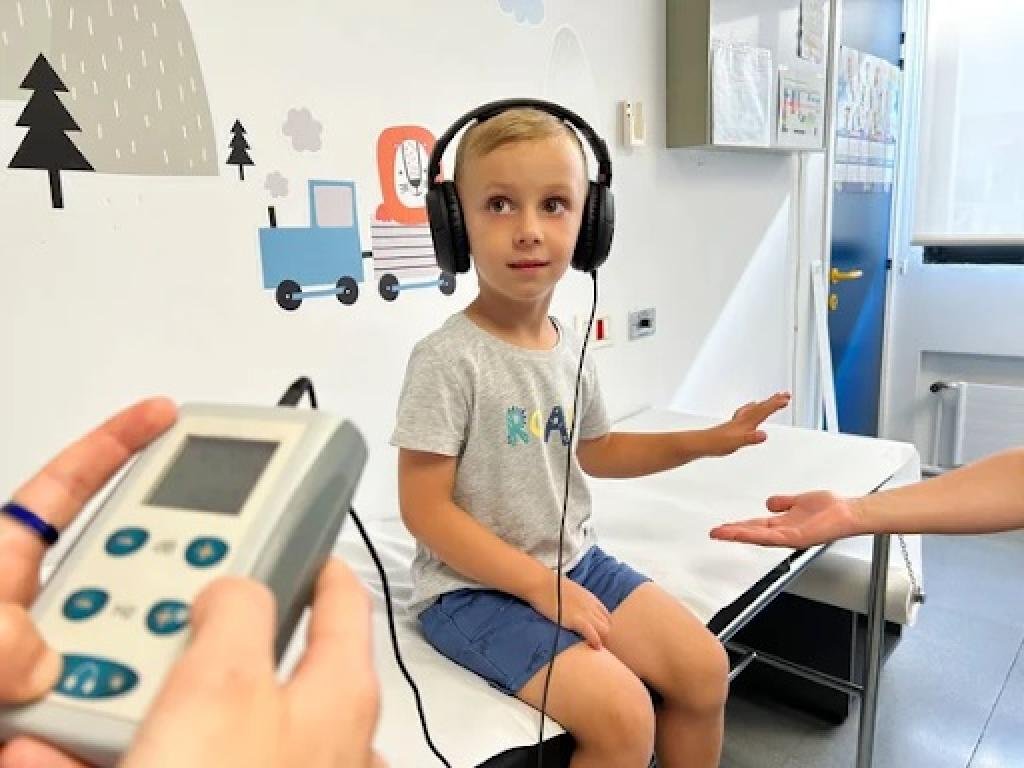
Learn why regular hearing assessments are essential for maintaining ear health, preventing hearing loss and improving quality of life across all age groups.
Hearing plays a crucial role in how we interact with the world, making routine evaluations like the ear test an essential part of maintaining auditory health. This evaluation is crucial for detecting potential hearing issues early and addressing them before they escalate into more significant problems.
The Role of Hearing in Daily Life
Hearing is a complex process where sound waves are converted into electrical signals interpreted by the brain. This process allows us to communicate, enjoy music, recognise environmental sounds, and respond to warnings. The auditory system, from the outer ear to the brain, works seamlessly to make this possible.
However, hearing can be affected by several factors, including ageing, prolonged exposure to loud noises, infections, and genetics. Even mild hearing impairments can affect communication, social interactions, and mental health. Understanding how hearing impacts daily life highlights the importance of regular hearing checks and proactive ear care.
Why Regular Ear Tests Are Crucial
Regular hearing assessments play a key role in identifying hearing loss early. Early detection allows for timely intervention, which can significantly improve treatment outcomes. Hearing loss can vary in severity, affecting one or both ears, and may develop gradually, often going unnoticed until it impacts daily life.
In children, undetected hearing problems can delay speech, language, and cognitive development, influencing academic performance. For adults, untreated hearing loss can cause communication difficulties, social withdrawal, and emotional stress. Systematic ear testing ensures these issues are addressed promptly, enhancing quality of life and long-term auditory health.
Advancements in Hearing Assessment Technology
Modern ear tests have benefited from technological advancements, offering more accurate and efficient evaluations. Computer-assisted hearing assessments provide detailed insights into auditory function. These tests can measure a variety of aspects, including sensitivity to sound frequencies, speech recognition in noisy environments, and the functionality of different ear structures.
Technological innovations have made hearing assessments faster, more precise, and less invasive. Teleaudiology now allows remote testing, making hearing healthcare accessible even for those in rural or underserved areas.
Common Types of Hearing Tests
Hearing assessments can vary depending on age, health status, and specific concerns. The most common types of ear tests include:
Pure-tone audiometry: Conducted in a soundproof booth, this test measures the quietest sounds a person can hear at various frequencies. It is the standard method for assessing general hearing ability.
Speech Audiometry: Evaluates how well a person can hear and understand speech, measuring the clarity and volume required for comprehension.
Tympanometry: Examines the middle ear’s function and the movement of the eardrum, useful for detecting fluid build-up, infections or perforations.
Otoacoustic Emissions (OAE): Assesses inner ear function, specifically the cochlea, by measuring sound waves generated in response to auditory stimuli.
Auditory Brainstem Response (ABR): Measures the auditory nerve’s response to sound, commonly used for infants or individuals unable to participate in standard tests.
Regularly undergoing these assessments ensures that hearing loss, regardless of severity, is identified and managed effectively.
The Consequences of Untreated Hearing Loss
Ignoring hearing loss can have profound effects on an individual’s quality of life. Adults may experience social isolation, depression, and cognitive decline. Communication difficulties often lead to frustration, reduced workplace performance, and decreased social engagement.
In children, untreated hearing loss can delay speech and language development, affecting learning, social interactions, and self-confidence. Recognizing the signs early through routine ear testing can prevent these long-term consequences and improve outcomes with timely intervention.
Hearing Loss Across Age Groups
Hearing loss can affect anyone at any stage of life. Newborns may experience congenital hearing loss that requires immediate attention to support speech and language development. School-aged children may face temporary or permanent hearing issues due to ear infections or environmental noise, impacting academic performance.
Adults are often at risk of noise-induced hearing loss from occupational or recreational exposure, while older adults may experience presbycusis, a gradual hearing decline associated with ageing. Regular hearing assessments tailored to each age group are crucial for timely detection and management.
Protecting and Maintaining Hearing Health
Maintaining hearing health involves more than regular testing. Several strategies can help protect auditory function:
Noise Protection: Consistently using earplugs or earmuffs in loud environments reduces the risk of noise-induced hearing loss. Limiting exposure to high-decibel sounds is vital for long-term hearing preservation.
Healthy Lifestyle Choices: Adequate sleep, balanced nutrition, and regular exercise support overall ear health. Avoiding smoking and managing chronic conditions like diabetes also contribute to maintaining optimal hearing.
Medication Awareness: Some medications are ototoxic and can damage hearing. Consulting healthcare providers about alternative treatments and monitoring auditory effects can prevent further loss.
Routine hearing assessments, combined with these protective strategies, provide a comprehensive approach to preserving hearing health.
The Future of Hearing Care
Audiology continues to advance rapidly, integrating new technologies to improve diagnosis and treatment. Modern hearing aids offer enhanced sound quality and user comfort, while teleaudiology expands access to testing and care. Ongoing research in regenerative medicine holds promise for restoring damaged auditory structures in the future.
As technology evolves, early detection and intervention will remain central to maintaining auditory health, preventing complications, and improving quality of life for individuals of all ages.
Conclusion
Regular hearing assessments are essential for preserving auditory health and overall well-being. From early childhood to older adulthood, systematic ear testing enables early detection of hearing loss, allowing for timely intervention and effective management. By combining regular assessments with protective strategies and healthy lifestyle choices, individuals can maintain their hearing, enhance communication, and fully engage with the world around them. Proactive hearing care ensures a better quality of life and empowers people to stay connected to the sounds that enrich their daily experiences.
Discover the Toyota Chaser, a JDM icon known for its 1JZ-GTE engine and drift legacy. Explore history, specs, and the famous JZX100 Tourer V model.
The world of home appliances offers a wide range of options for anyone seeking the perfect refrigerator. Look for a reliable fridge in Singapore that balances energy efficiency, storage capacity
Discover the Antonov An-225 Mriya, the world’s largest cargo aircraft. Learn its history, record size, powerful engines, and legacy after 2022 destruction.