

In recent years, Korean skincare has transformed the global beauty landscape, reshaping how people think about daily skincare routines. Known for innovation, gentle formulations, and visible results, Korean skincare products have become a staple for those seeking healthier, more radiant skin with jsm korean skincare products often highlighted for combining traditional herbal expertise with modern cosmetic science. Often referred to as K-beauty, this approach blends time-honoured ingredients with advanced technology to address a wide range of skin concerns. The growing demand for Korean skincare reflects a shift towards preventative care, hydration and long-term skin health rather than quick cosmetic fixes.

Table of contents [Show]
- The Unique Philosophy Behind Korean Skincare
- Layering as a Core Technique
- Traditional Ingredients Meet Modern Science
- The Role of Makeup in K-Beauty
- Advanced Research and Skincare Technology
- Personalised Skincare and Targeted Solutions
- The Glass Skin Trend and Social Influence
- Sustainability and Ethical Beauty Practices
- Accessibility and Global Reach
- Conclusion
The Unique Philosophy Behind Korean Skincare
At the core of Korean skincare is a philosophy centred on prevention, balance and consistent care. Rather than concealing imperfections with heavy makeup, the focus is on nurturing the skin so it looks naturally clear and luminous. Skincare is treated as a daily self-care ritual, encouraging mindfulness and patience. This cultural perspective explains why multi-step skincare routines are common, with each product serving a specific purpose.
Korean beauty routines are not about excess, but about thoughtful layering and targeted treatment. The intention is to support the skin barrier, maintain hydration, and protect against environmental stressors. This preventative mindset has contributed significantly to the global popularity of Korean skincare routines, especially among those interested in long-term anti-ageing benefits and healthy skin maintenance.
Layering as a Core Technique
Layering is one of the most recognised elements of a Korean skincare routine. This technique involves applying products from the lightest texture to the richest, allowing each formula to absorb effectively. A typical routine includes cleansing, toning, essence, serum, moisturizer and sun protection, though individuals adjust steps depending on their needs.
The purpose of layering is to maximise hydration and deliver active ingredients efficiently. Lightweight hydrating products prepare the skin to receive concentrated treatments, while creams seal in moisture. This method is particularly beneficial for dry, sensitive or dehydrated skin, as it builds moisture gradually without overwhelming the skin barrier. The popularity of layering has influenced skincare routines worldwide, making hydration a central priority in modern beauty care.
Traditional Ingredients Meet Modern Science
A defining characteristic of Korean skincare products is the fusion of time-tested natural ingredients with cutting-edge technology. Many formulations include botanicals long used in traditional remedies, such as ginseng, green tea, rice extract, and centella asiatica. These ingredients are valued for their soothing, antioxidant and skin-repairing properties.
Snail mucin is another widely recognized component, praised for its ability to support skin regeneration and improve texture. While unusual at first glance, it reflects the Korean beauty industry’s openness to innovative ingredients backed by research. Modern advancements such as fermentation technology and micro-encapsulation enhance ingredient absorption, ensuring active compounds reach deeper layers of the skin. This blend of heritage and science is a key reason Korean skincare continues to attract global attention.
The Role of Makeup in K-Beauty
Although skincare takes priority, makeup in Korean beauty culture complements rather than replaces good skin. The goal is to enhance natural features with lightweight, breathable products. BB creams, tinted cushions and skin tints are popular because they offer sheer coverage alongside skincare benefits like hydration and sun protection.
This approach reinforces the idea that makeup should work in harmony with a well-maintained complexion. Instead of heavy foundations, the emphasis is on achieving a fresh, dewy finish that showcases healthy skin. The influence of Korean makeup trends has encouraged a broader shift towards minimalist beauty routines focused on glow and comfort.
Advanced Research and Skincare Technology
Korean cosmetic research is known for its speed, innovation, and responsiveness to consumer needs. Laboratories invest heavily in studying skin biology, barrier function and ingredient delivery systems. Technologies such as fermented extracts, peptide complexes, and targeted delivery methods allow active ingredients to perform more effectively.
This scientific commitment has helped Korean skincare build credibility among dermatology enthusiasts and skincare professionals. Consumers often report improvements in skin clarity, texture, and hydration, reinforcing trust in the research-driven approach. As a result, Korean skincare is frequently associated with high performance at accessible price points.
Personalised Skincare and Targeted Solutions
Customisation is another pillar of Korean beauty culture. Rather than promoting a single universal routine, Korean skincare encourages individuals to tailor their regimen according to specific concerns. Whether addressing acne, hyperpigmentation, sensitivity, or early signs of ageing, there are specialised products designed for targeted care.
This personalised approach empowers users to understand their skin better and adjust routines seasonally or as conditions change. It also supports the idea that skincare is dynamic, evolving alongside lifestyle, climate and age. The availability of diverse product types makes Korean skincare appealing to beginners and experienced users alike.
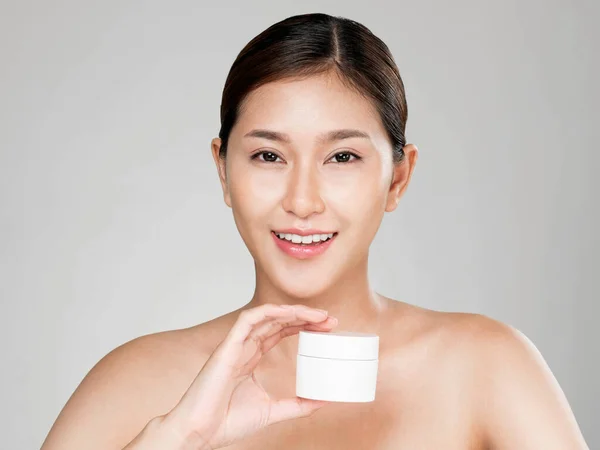
The concept of glass skin has become a defining symbol of Korean beauty. Glass skin describes a smooth, intensely hydrated complexion that appears almost reflective. Achieving this look requires consistent exfoliation, deep hydration and barrier repair.
Social media has played a major role in spreading this aesthetic, with tutorials and product demonstrations showcasing step-by-step routines. The glass skin trend highlights the visible results of disciplined skincare and has inspired many people to adopt more comprehensive routines. It also reinforces the central message of Korean beauty: healthy skin is the ultimate foundation.
Sustainability and Ethical Beauty Practices
As global consumers become more environmentally aware, sustainability has become increasingly important within the Korean skincare industry. Many manufacturers are adopting eco-conscious packaging, refill systems and cruelty-free testing policies. Ethical sourcing of ingredients and reduced environmental impact are growing priorities.
This shift aligns with the holistic philosophy of Korean beauty, where caring for the skin is connected to caring for the wider environment. Sustainable skincare appeals to modern consumers who want effective products without compromising ethical values.
Accessibility and Global Reach
Despite advanced formulations and luxurious textures, Korean skincare products are often priced competitively. The highly competitive beauty market encourages innovation while keeping products accessible. Online retail platforms and international shipping have further expanded availability, allowing global audiences to explore Korean skincare easily.
Affordability combined with performance has played a major role in the worldwide adoption of K-beauty routines. Consumers appreciate the balance between quality, experimentation, and value, making Korean skincare attractive across different age groups and budgets.
Conclusion
The rise of Korean skincare represents more than a passing trend; it reflects a broader evolution in how people approach beauty and self-care. With its emphasis on prevention, hydration, personalisation, and scientific innovation, Korean skincare continues to shape global standards. By combining traditional botanical wisdom with modern technology, this approach delivers routines that are both effective and adaptable. As interest in healthy, radiant skin grows, Korean skincare remains a powerful influence, encouraging consistent care, mindful rituals and a deeper understanding of what it means to nurture the skin.