From Natural to Dramatic: Choosing the Right Eyelash Extensions in Scottsdale
Explore Classic, Hybrid, Volume, and Mega Volume eyelash extensions in Scottsdale and find a style that matches your look and lifestyle.

Suggested:
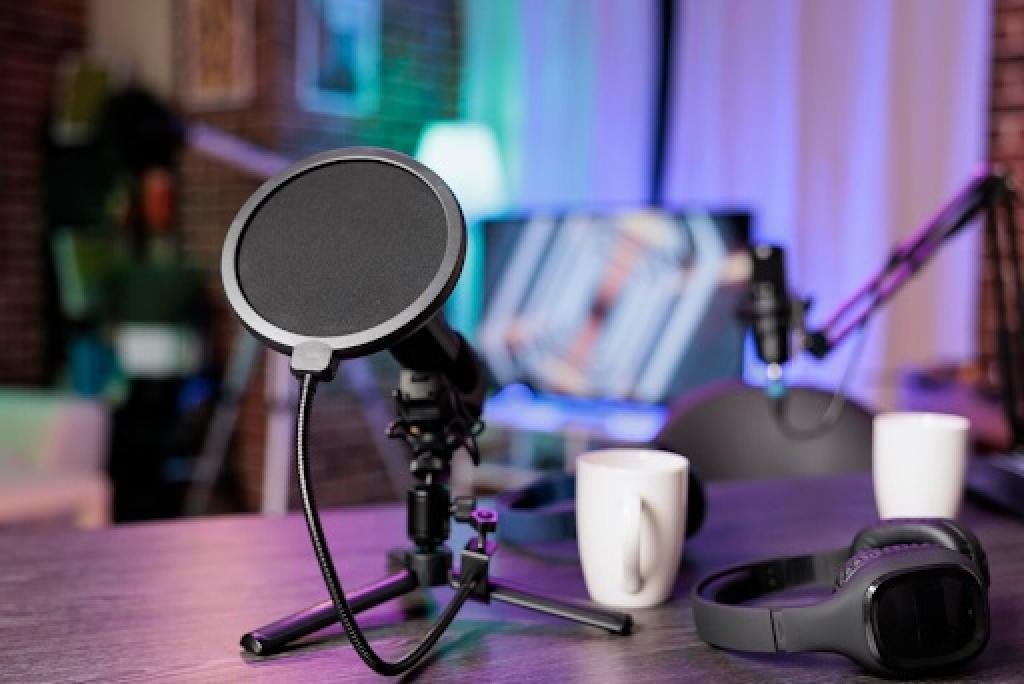
Creating high-quality audio content on an iPhone has become increasingly accessible, whether for podcasting, video production, or live streaming.
Creating high-quality audio content on an iPhone has become increasingly accessible, whether for podcasting, video production, or live streaming. While the built-in microphone on iPhones is convenient, it often lacks the clarity, depth, and noise reduction required for professional-sounding recordings. Investing in a dedicated microphone can significantly enhance audio quality, making content more engaging and polished.
With the rise of social media, remote work, and digital content creation, the demand for mobile recording solutions has grown. A good microphone for iPhone allows creators to capture clear voice recordings, reduce background noise, and ensure that audio matches the visual quality of their videos. For those exploring suitable equipment, the collection available at https://shop.shure.com.sg/collections/mobile-recording provides a useful starting point for comparing microphones designed specifically for mobile recording. Choosing the right microphone involves understanding different types, connectivity options, and features that suit specific needs.
Table of contents [Show]
There are several types of microphones compatible with iPhones, each serving different purposes. Lavalier, or lapel microphones, are small and clip onto clothing, ideal for interviews or vlogs, as they capture the speaker’s voice clearly while remaining unobtrusive. Shotgun microphones focus on sound from a specific direction, reducing ambient noise, which is useful for outdoor recordings or video shoots in noisy environments.
USB and Lightning microphones connect directly to the iPhone, offering plug-and-play functionality without the need for additional adapters. These are suitable for podcasting, voiceovers, or music recording. Wireless microphones, often using Bluetooth or dedicated receivers, provide mobility, allowing creators to move freely while maintaining consistent audio quality.
When selecting a microphone for an iPhone, compatibility is crucial. Most modern microphones connect via the Lightning port or through a USB adapter. Some older models may require a 3.5mm TRRS jack with an appropriate adapter. Checking compatibility ensures seamless operation and avoids interruptions during recordings.
For iPhone models without a headphone jack, a Lightning-to-3.5mm adapter may be necessary. Some microphones also include companion apps to adjust gain, monitor audio levels, and apply filters, providing additional control over recording quality.
Audio quality is determined by factors such as frequency response, sensitivity, and noise-cancelling capabilities. High-quality microphones capture a wide range of frequencies accurately, ensuring the voice sounds natural and clear. Noise reduction features minimise background sounds, which is particularly important for recordings in uncontrolled environments.
Directional microphones, like cardioid or supercardioid designs, capture sound from specific angles while rejecting noise from the sides and rear. This improves clarity for podcasts or video interviews in shared spaces. Some microphones also offer gain control and mute buttons, giving creators more flexibility during recordings.
Since iPhone users often record on the go, portability is an important consideration. Compact, lightweight microphones are easy to carry and set up, making them ideal for travel, outdoor shoots, or field recordings. Lavalier and small shotgun microphones can easily fit into a bag or pocket, while larger USB microphones are better suited for stationary setups like home studios.
Durable build quality is another factor to consider. Microphones designed with robust materials and secure connectors withstand frequent handling, reducing the risk of damage during travel or extended use.
Microphones for iPhones are versatile tools that enhance various types of content. Podcasters can capture clear voice recordings without background interference. Video creators benefit from professional audio quality, making their content more engaging. Live streamers and online educators can ensure their audience hears them clearly, improving communication and viewer retention.
In addition, musicians and vocalists can record demos directly on their iPhone using high-quality microphones, while journalists and content creators covering events can capture on-the-spot interviews efficiently.
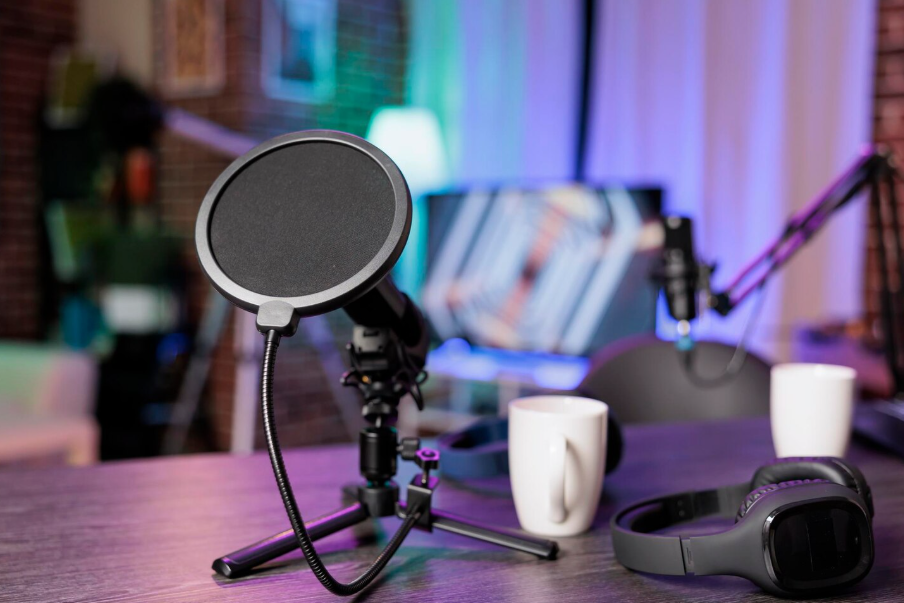
Microphones for iPhones come at a range of price points, from affordable entry-level models to professional-grade equipment. While higher-end microphones often provide superior sound quality and features, even mid-range options can deliver noticeable improvements over the built-in iPhone microphone.
Investing in a quality microphone is worthwhile for anyone serious about producing content, as good audio significantly enhances viewer and listener experience. Prioritising clarity, durability, and compatibility ensures the purchase meets both current and future recording needs.
A dedicated microphone for iPhone transforms the quality of audio recordings, providing clarity, depth, and professional-level sound for podcasts, videos, and live streams. Understanding the types, connectivity, features, and practical applications helps creators choose the right microphone for their needs.
Whether for content creation, education, or remote communication, a good microphone enhances the overall experience for both the creator and the audience. Investing in a reliable, high-quality microphone ensures that every recording is clear, engaging, and professional.
Can I use a lavalier microphone with any iPhone model?
Most modern iPhones support lavalier microphones via the Lightning port or with an adapter, but it’s important to check compatibility before purchase.
Do I need an app to record audio with an external microphone?
While some microphones work with the iPhone’s built-in recording apps, companion apps provide more control over gain, monitoring, and filters.
Is a directional microphone better than a lapel microphone?
It depends on the use case. Directional microphones are ideal for focused recording in noisy environments, while lapel microphones are suitable for interviews or mobile recordings.
Will an external microphone improve video recordings immediately?
Yes, an external microphone reduces background noise and enhances voice clarity, significantly improving the audio quality of video content.
Explore Classic, Hybrid, Volume, and Mega Volume eyelash extensions in Scottsdale and find a style that matches your look and lifestyle.